by John Edgar
•
1 October 2026
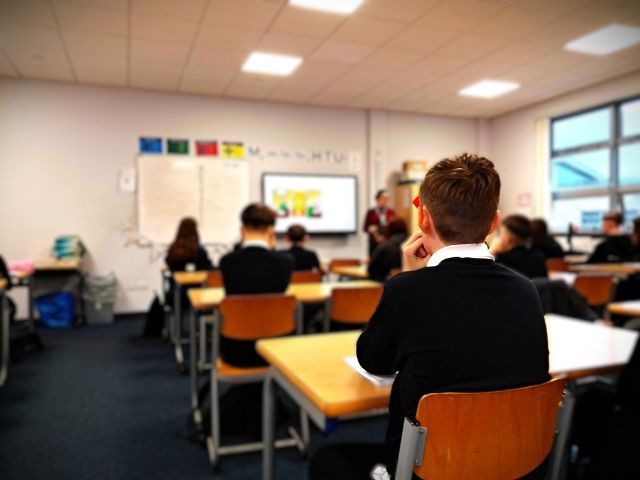
Since 2005, CHAP's award-winning Education service has been helping young people build the practical financial, housing and independent living skills they need for life beyond school. While the start of a new term means a return to lessons, homework and exams, it's also an important time for young people to start thinking about the life skills they'll need beyond the classroom. That's where CHAP's Education Team comes in. Our team is already busy delivering practical and interactive sessions in secondary schools across North Ayrshire. The sessions are specifically designed to help young people build the knowledge, confidence and skills they need to make informed decisions about money, housing and independent living. More than just learning about money Financial education isn't simply about knowing how to write a budget or understanding the difference between a debit and credit card. For young people, developing financial confidence can help them make better decisions at some of the biggest transition points in their lives - leaving school, starting work, going to college or university, moving away from home and managing a household for the first time. Our workshops explore real-life situations and encourage pupils to think about the choices and responsibilities that come with becoming more independent. Topics include: Banking and managing money Budgeting and household finances Saving and planning for the future Understanding credit scores and APR Avoiding debt and financial difficulties Pensions and long-term financial planning Housing options and tenancy responsibilities Homelessness awareness and prevention Student accommodation and independent living Student finance, SAAS and student loans Sessions are tailored to the age and experience of each group, making sure the information is relevant and accessible. Preparing young people for real life One of the things that makes our Education Service different is its focus on practical, everyday situations. Rather than simply talking at young people, our team gets them involved. Sessions can include games, quizzes, group discussions, practical budgeting exercises, educational films and real-life scenarios and case studies. This helps pupils explore situations they may encounter themselves and consider how they would respond. For example, what happens when your wages need to cover rent, energy, food, travel and other household costs? What does it really mean to take out credit? How much does it cost to live independently? What should you consider before signing a tenancy agreement? And what happens if things don't go according to plan? These are the kinds of questions that can help young people develop confidence before they are faced with these decisions for themselves. Helping prevent youth homelessness The topics of housing and homelessness are also a core aspect of our Education service. Homelessness can affect anyone, and one of our aims is to challenge some of the misconceptions and stigma that still surround it. Our homelessness prevention sessions help pupils understand some of the reasons people can become homeless, the realities of homelessness and where support is available. We also explore housing rights and responsibilities and the importance of making informed decisions before leaving home. The aim isn't to frighten young people - it's to give them the knowledge they need to make informed choices and know where to turn if they, or someone they know, needs help. As one pupil told us after a previous session: " I knew homelessness existed, but I didn't know how easy it could catch up on you ." That simple comment highlights why this vital work matters. Building skills early We believe financial education works best when young people have the opportunity to develop their knowledge over time. That's why CHAP's Education Service has continued to evolve and expand. The service began in 2005, initially focusing on homelessness awareness and prevention. Financial education was introduced in 2015, and since then the programme has continued to grow, including expanded Life Skills and financial education sessions for younger pupils. Today, our Education Team supports pupils from S1 through to S6, with sessions designed around the different challenges and decisions young people face as they progress through secondary school. Reaching more young people Our work continues to grow beyond North Ayrshire too. Alongside our long-standing programme supporting all nine North Ayrshire secondary schools, additional partnerships and funding have also allowed us to expand our delivery into secondary schools in Dumfries and Galloway. In 2025 alone, CHAP's Education Service reached 5,617 young people. This included: 1,144 pupils through PSE homelessness prevention sessions 899 senior pupils through Advanced Finance workshops 250 senior pupils through Advanced Housing workshops 308 sixth-year pupils through Student Accommodation workshops Behind every number is a young person gaining knowledge that could help them make a more confident decision in the future. Why financial education matters Young people are growing up in a world where financial decisions can be complicated. Credit is readily available. Online shopping makes spending incredibly easy. Housing costs are high, and understanding bills, contracts, borrowing and financial support can feel overwhelming even for adults. Giving young people the opportunity to develop these skills before they need them can help them recognise potential problems, make informed choices and know where to look for help. As one pupil told us: " To start planning for the future now to set you up for success later in life ." That's exactly what we're trying to achieve. A new school year, a new opportunity As pupils have now settled into another year of school, our Education Team is looking forward to another busy programme of workshops, conversations and activities across North Ayrshire and beyond. We're proud of the relationships we've built with schools and partners over the years, and we're excited about continuing to develop the service and reach even more young people. Because financial confidence isn't something that has to wait until adulthood. The earlier we start giving young people the knowledge, skills and confidence to make informed decisions, the better prepared they can be for whatever comes next . For more information, please visit https://www.chap.org.uk/education or call 030 0002 0002.