Buy Now, Pay Later: New Rules and Protections - But the Debt Risk Remains
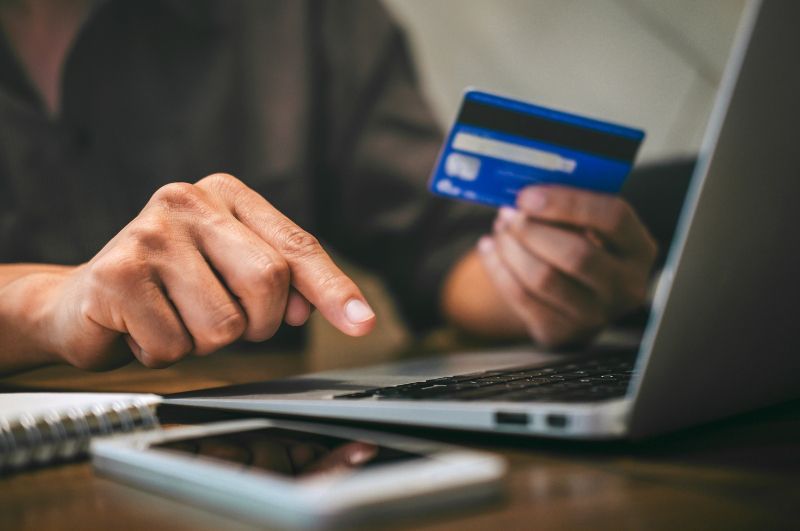
Buy Now, Pay Later can make an important purchase more manageable. But when several repayments start to add up, it can also become difficult to keep on top of your finances.
Buy Now, Pay Later (BNPL) has become a familiar option to us when shopping online. Rather than paying the full price immediately, customers can spread the cost over a number of instalments, often without paying interest if payments are made on time.
For someone who knows they can comfortably afford the repayments, it can be a useful way of managing the cost of a purchase. But for others, particularly when several agreements are taken out at the same time, BNPL can easily contribute to financial difficulties - and there's now growing evidence of just how significant that problem can be.
A six-fold increase in BNPL debt
Figures released by Money Advice Trust, the charity behind National Debtline, have highlighted a dramatic increase in the number of people seeking help with Buy Now, Pay Later debt.
National Debtline says the proportion of people seeking its support who have BNPL debt has increased six-fold, from 3% in 2021 to 18% in 2026.
The average BNPL debt among these clients is now £1,029.
The figures were released as new regulations came into force on 15 July 2026, bringing most BNPL provided by third-party lenders under the regulation of the Financial Conduct Authority (FCA) for the first time.
Money Advice Trust says the rise in people struggling with BNPL debt demonstrates why the new protections are needed.
What has changed?
Before 15th July 2026, qualifying BNPL agreements were generally outside FCA regulation. Providers did not have to follow the same regulatory requirements that apply to most other forms of consumer credit.
That has now changed.
Under the new rules, qualifying BNPL lenders must:
- Carry out proportionate affordability checks before providing credit.
- Give customers clearer information about what they are borrowing.
- Explain when repayments are due and how much they will be.
- Explain what happens if a payment is missed.
- Provide appropriate support if someone is struggling with repayments - including directing them towards free debt advice providers (such as CHAP) where appropriate.
- Give customers access to the Financial Ombudsman Service if they have a complaint that cannot be resolved with the lender.
These are important changes and mean that people using qualifying BNPL products now have protections that were not previously available.
Is BNPL a bad thing?
We're not suggesting that everyone who uses Buy Now, Pay Later is making an irresponsible financial decision.
Sometimes, life simply doesn't wait. An example could be that a person's washing machine breaks unexpectedly. They may have children, a limited income and no savings readily available to replace it. Waiting several weeks to save up the full amount may simply not be practical.
If a BNPL arrangement allows the person to spread the cost and they can comfortably afford the repayments, it can provide a way to deal with an unexpected expense without having to find the whole amount immediately.
The same could apply to other essential household items or unexpected costs. Using BNPL doesn't automatically mean they're getting into debt trouble.
The important question is whether the repayments are affordable alongside everything else they need to pay.
There's no shame in needing to borrow money when an unexpected expense comes along. What matters is understanding what they're committing to and recognising when those commitments are becoming difficult to manage.
BNPL is still borrowing
Perhaps the most important thing to remember is that Buy Now, Pay Later is still credit.
The fact that a purchase is split into four payments doesn't change the amount you ultimately have to pay.
And because the individual payments can look relatively small, it can be surprisingly easy to lose sight of the total amount being borrowed.
For example: £25 here. £30 there. £40 next month.
Each payment might seem manageable on its own, but if several purchases are being repaid at the same time, you could suddenly have £100 or more coming out of your bank account each month - alongside your rent or mortgage, energy bills, Council Tax, food, travel and everything else your household needs to pay for.
The issue isn't necessarily using BNPL - it's taking on repayments that you can no longer comfortably afford.
When small payments become a big problem
The latest figures from National Debtline provide an important reminder that financial difficulty isn't necessarily about someone making one large purchase they can't afford.
Money Advice Trust says that people struggling with BNPL debt supported by National Debtline often face wider challenges too. Almost two-thirds (63%) have disclosed an additional vulnerability, while younger consumers are disproportionately represented among those seeking help.
National Debtline has also reported seeing people using BNPL for everyday essentials, including food, energy bills and household basics.
This can be an important warning sign.
If you are regularly using credit because you don't have enough money to cover essential household costs, taking on more borrowing could make an already difficult situation harder to manage.
Before clicking on the "Buy Now, Pay Later" option, it's worth asking yourself a few simple questions:
- Can I comfortably afford every repayment?
Think about the entire repayment period, not just the first instalment.
- Do I already have other BNPL agreements?
Check your bank account and existing commitments. Several small agreements can quickly add up.
- Will the repayments still be affordable after I've paid my essential household costs?
Consider rent or mortgage payments, energy bills, Council Tax, food, travel and other regular expenses.
- Am I using BNPL for essentials?
There is nothing inherently wrong with borrowing to deal with an unexpected essential expense. However, if you are regularly relying on credit to pay for food, energy or other household necessities, it could be a sign that you need some help with your overall finances.
- What would happen if my circumstances changed?
An unexpected bill, reduction in hours at work or a change in income could make previously manageable repayments much more difficult.
Regulation is good news - but BNPL still carries financial risk
The introduction of FCA regulation is an important step forward for consumers. It means qualifying BNPL lenders must take greater responsibility for making sure borrowing is affordable, provide clearer information and offer support when customers experience financial difficulty - but regulation doesn't make BNPL risk-free.
As the Government has also pointed out, BNPL can be a useful way to manage spending, but it is still a form of borrowing and should always be carefully considered.
The safest approach is to think of BNPL in much the same way you would think about any other form of credit.
It's not free money. It's a commitment to repay.
How CHAP can help
CHAP provides free, confidential and independent Money Advice to people across Ayrshire experiencing debt and financial difficulties. Our service is fully accredited, and CHAP is authorised and regulated by the Financial Conduct Authority (FCA).
Our experienced Money Advisers can look at your circumstances as a whole, help you understand your options and support you in dealing with your debts.
There is no need to feel embarrassed or wait until you've reached crisis point. Sometimes, the hardest part is simply admitting that things are becoming difficult.
Getting the right advice early can make a real difference.
If you're struggling with BNPL, debt or household bills, get in touch with CHAP to find out how we can help.
Call us on Freephone 030 0002 0002 to arrange an appointment.



Share this story, choose your platform